
Surfaces Built for Business Traffic and Spills
Commercial Epoxy Flooring in Wylie for facilities where foot traffic, equipment movement, and chemical exposure test floor durability daily
Retail aisles that show scuff marks after the first month, restaurant kitchens where grease penetrates the floor despite nightly mopping, and warehouse zones where forklift tires leave permanent black streaks all point to flooring systems that can't handle the mechanical and chemical stresses of commercial use. Platinum Epoxy Pros designs customized coating systems for offices, industrial facilities, and customer-facing spaces in Wylie, selecting resin formulations and layer thicknesses based on the specific wear patterns each business experiences. These installations deliver a lifespan exceeding 20 years, outlasting vinyl, tile, and painted concrete by resisting the abrasion, impacts, and chemical exposure that degrade softer materials.
The coating selection process accounts for the types of traffic the floor will see—whether that's continuous foot traffic in a retail environment, heavy rolling loads in a distribution center, or thermal shock from commercial kitchen equipment. Different resin chemistries offer varying degrees of chemical resistance, making it possible to specify systems that tolerate cleaning agents, automotive fluids, food acids, or manufacturing byproducts without softening or discoloring.
Schedule a free consultation to evaluate your facility's flooring demands and discuss coating options that match your operational requirements.
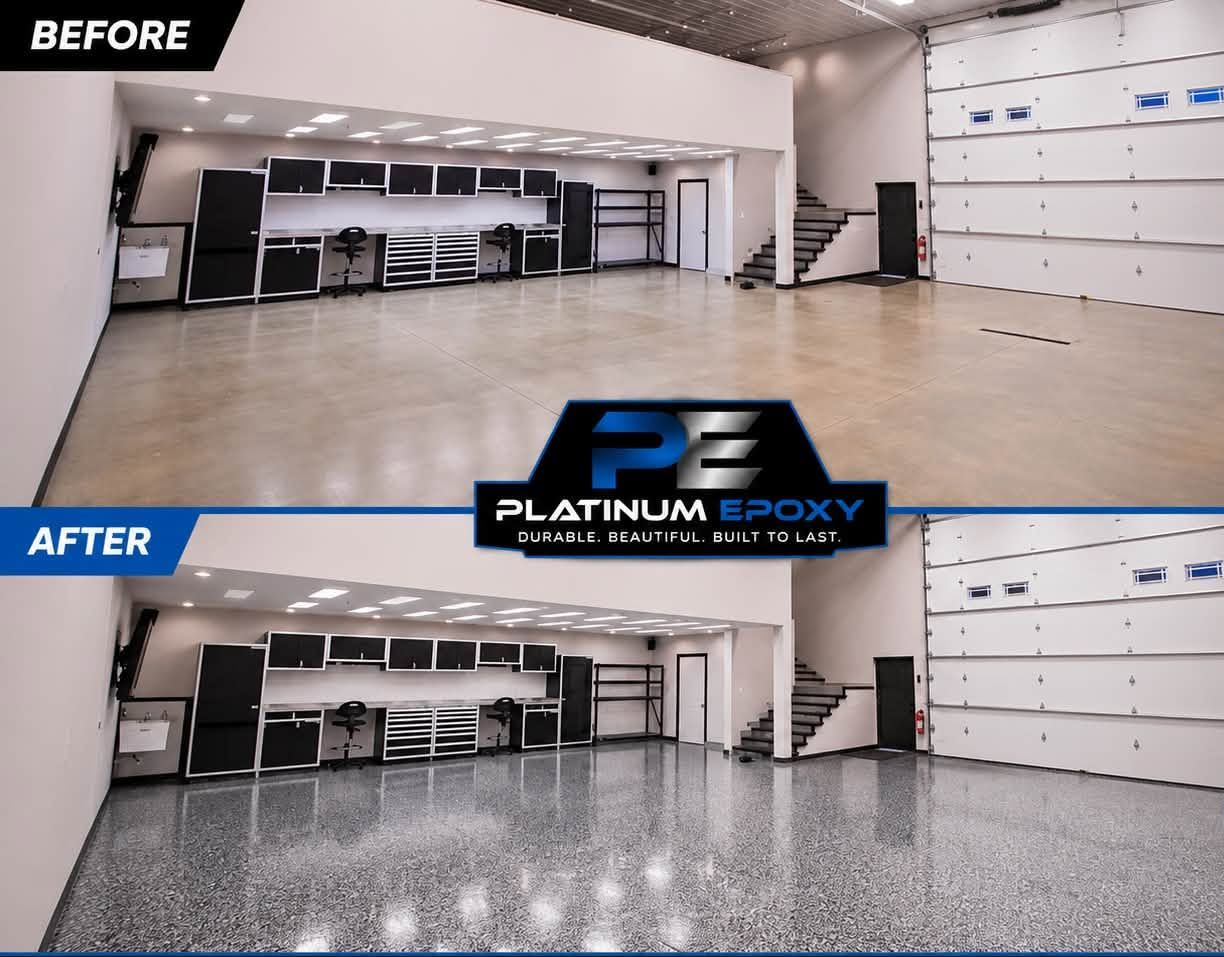
How Commercial Coatings Handle Business Demands
Installation timelines vary depending on the size of the space, the condition of the existing concrete, and whether the business requires phased work to keep operations running. The concrete is profiled to accept the coating, any cracks or joints are filled to prevent telegraphing through the finish, and the epoxy is applied in layers that build thickness and durability. High-traffic areas receive additional coats or tougher topcoats that extend service life where wear concentrates.
Once cured, the floor supports heavy equipment without denting, resists tire marking from carts and machinery, and cleans without leaving residue in the pores. Spills from hydraulic fluid, cleaning chemicals, or food products wipe away instead of soaking in, and the surface doesn't crack under the weight of pallet jacks or stacked inventory. The finish maintains traction even when wet, reducing slip hazards in kitchens, loading docks, and other areas where liquids hit the floor regularly.
Coating systems can be customized with color zones to mark pathways, delineate work areas, or reinforce safety protocols, integrating floor markings directly into the finish rather than relying on paint or tape that wears away under traffic. The system also accommodates aesthetic preferences for customer-facing areas, offering polished or matte finishes that suit brand standards while delivering the same structural performance.
Common Questions About Commercial Installations
Business owners in Wylie often ask about downtime, coating performance under specific conditions, and how the system compares to alternatives like polished concrete or tile. These answers clarify what to expect during and after installation.
How long does installation take for a typical commercial space?
Project timelines depend on square footage and substrate condition, but many installations are phased to allow portions of the facility to remain operational while other sections cure, minimizing disruption to daily business.
What makes epoxy more durable than tile or vinyl in high-traffic areas?
Epoxy forms a monolithic surface without grout lines or seams where dirt accumulates and cracks initiate, and it bonds directly to the concrete rather than relying on adhesive that can fail under moisture or temperature stress.
Why does chemical resistance matter even in non-industrial businesses?
Retail stores use floor cleaners, restaurants deal with oils and acids, and office spaces encounter spills from beverages and cleaning products—all of which can degrade unprotected concrete or soften coatings not formulated for chemical exposure.
How does the coating perform in Wylie's temperature extremes?
The cured epoxy remains stable across the temperature range typical of Texas commercial buildings, neither softening in summer heat nor becoming brittle during winter cold snaps, which allows it to maintain traction and durability year-round.
What documentation comes with the installation?
You receive specifications for the coating system used, maintenance guidelines that preserve the warranty, and records of substrate preparation that verify proper installation procedures were followed.
Platinum Epoxy Pros offers free facility evaluations that include floor condition assessment, traffic pattern analysis, and coating recommendations tailored to your industry. Contact the team to arrange a walkthrough and discuss project scheduling that aligns with your operational calendar.