
Protection That Outlasts Bare Concrete Exposure
Concrete Coatings in Wylie for surfaces exposed to moisture intrusion, chemical contact, and abrasive wear that degrades unprotected slabs
Garage floors that develop white powder along the edges, patio surfaces that flake after a freeze, and workshop floors that absorb every oil drip all demonstrate how porous concrete breaks down when left unprotected. Coating systems seal the surface against water penetration and chemical attack while adding a layer of abrasion resistance that extends the functional life of the slab. Platinum Epoxy Pros applies concrete coatings across Wylie for garages, driveways, commercial floors, and outdoor living areas where exposure to weather, vehicle fluids, and foot traffic gradually erodes bare concrete. Proper surface preparation removes existing contaminants and opens the concrete pores, ensuring the coating bonds mechanically rather than sitting on top of a compromised layer.
The performance of any coating depends on how well the concrete is prepared before application—coatings applied over dusty, oily, or sealed surfaces delaminate under stress, while those bonded to clean, profiled concrete resist peeling and wear for years. Different coating chemistries offer varying levels of protection, with some systems prioritizing decorative appearance and others emphasizing chemical resistance or UV stability for outdoor use.
Request a free evaluation to assess your surface condition and identify the coating type best suited to the exposure conditions that surface faces.
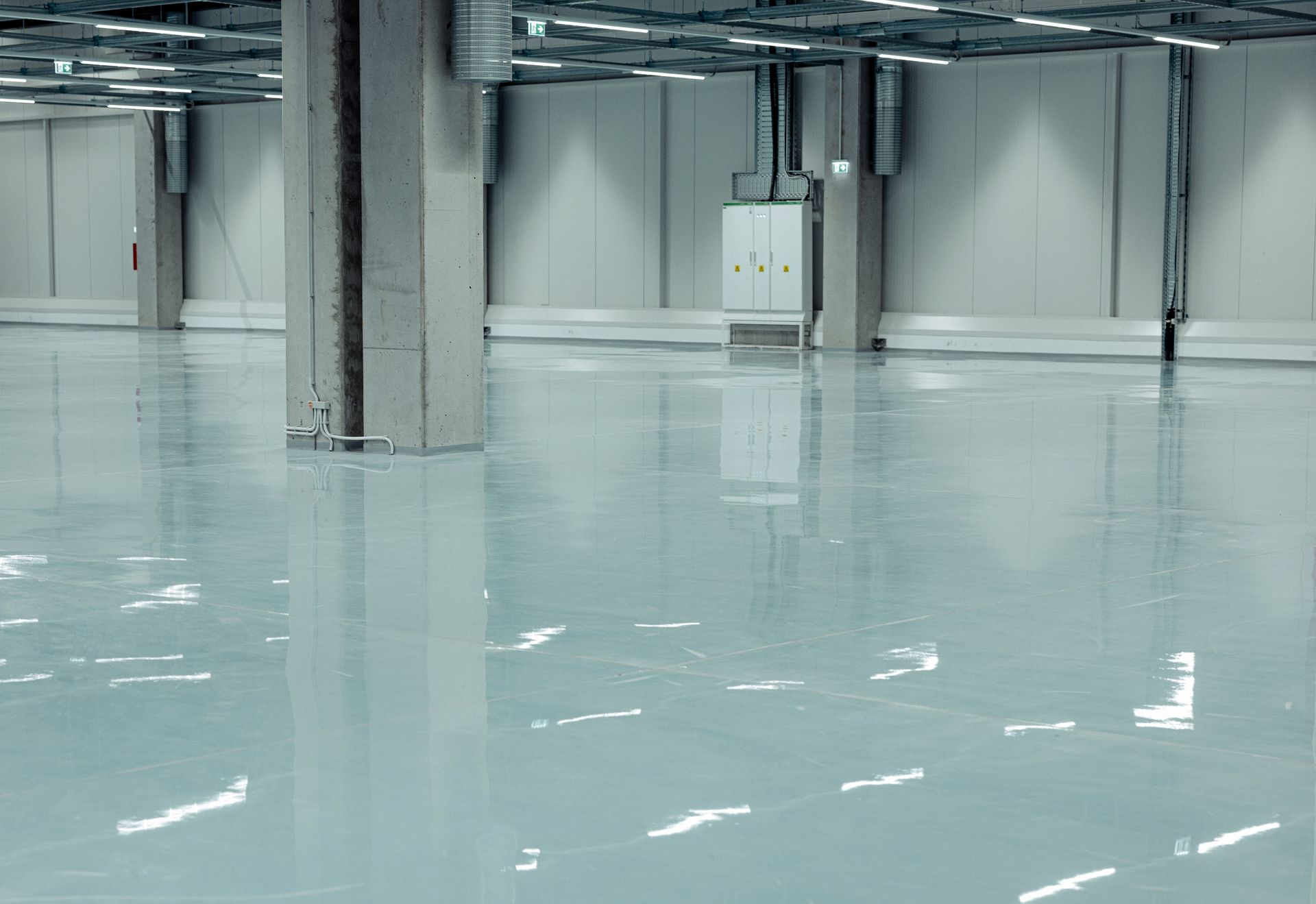
What Proper Coatings Prevent Long-Term
The application begins with mechanical profiling that grinds or shot-blasts the concrete to remove laitance, open the pores, and create the texture necessary for adhesion. Any cracks are filled to prevent them from telegraphing through the finish, and the surface is thoroughly cleaned to remove residual dust. The coating is then applied in layers, with each coat bonding to the one beneath it and building a protective barrier that stops moisture from entering the slab.
After the coating cures, water beads on the surface instead of soaking in, stains from spilled chemicals or oils wipe away without discoloring the concrete, and the floor resists the pitting and spalling caused by freeze-thaw cycles. The abrasion-resistant topcoat protects against the wear from dragged equipment, foot traffic, and vehicle tires, preventing the surface erosion that creates dust and exposes aggregate. Outdoor coatings formulated with UV inhibitors maintain color stability under direct sunlight, avoiding the chalking and fading that degrade unprotected finishes.
Coatings are available in decorative and functional finishes, ranging from clear sealers that preserve the natural concrete appearance to pigmented systems that add color and hide existing stains. Some systems incorporate decorative flakes or metallic effects for aesthetic appeal, while others prioritize slip resistance and chemical tolerance for industrial or food-service applications. The choice depends on whether the priority is appearance, protection, or both.
Answers to Frequent Service Questions
Property owners in Wylie typically ask about coating longevity, maintenance requirements, and how different systems perform in outdoor versus indoor environments. These answers provide the context needed to select the right coating for each application.
What happens if the concrete isn't properly prepared before coating?
Coatings applied over dust, oil, or existing sealers fail to bond mechanically, leading to peeling and delamination within months as moisture or traffic stresses the weak interface between the coating and substrate.
How do outdoor coatings resist sun exposure and temperature changes?
UV-stable resins prevent the photodegradation that causes yellowing and chalking, while flexible formulations accommodate the expansion and contraction of concrete as temperatures swing between summer heat and winter cold in the Wylie climate.
Why do some coatings wear faster than others?
Coating hardness, abrasion resistance, and film thickness all affect durability—thicker systems with harder topcoats last longer under heavy traffic, while thinner decorative coatings prioritize appearance over mechanical toughness.
What maintenance does a coated floor require?
Regular sweeping or mopping removes abrasive dirt that can scratch the surface, and prompt cleanup of spills prevents prolonged chemical contact that may soften certain coating types, but the coating itself requires no resealing or waxing.
When should a driveway or patio be recoated?
Visible wear patterns, loss of gloss, or areas where water no longer beads indicate the topcoat has thinned, though properly installed systems often perform for years before needing reapplication depending on traffic and exposure intensity.
Platinum Epoxy Pros provides surface evaluations that identify existing damage, measure moisture levels, and recommend coating systems matched to your specific exposure conditions and performance expectations. Arrange an evaluation to discuss finish options and receive a detailed project estimate.